There’s a moment in certain songs when the guitars stop sounding polished and start sounding like dirt roads.
That’s the moment Southern rock begins.
Southern rock isn’t just a style of music—it’s a geography, a culture, and a musical attitude shaped by humidity, highways, and long nights in roadside bars across the American South. It’s rock and roll that grew up listening not only to Chuck Berry, but also to blues shouters, gospel choirs, country pickers, and the deep storytelling traditions of the region.
The Southern Rock Timeline (A Quick Version)
Early Roots — 1950s–60s
Rock & roll pioneers from the South
Blues and gospel influences
Experimental Era — 1968–1972
The Allman Brothers create the jam-band Southern rock template
Explosion — 1973–1977
Lynyrd Skynyrd
Marshall Tucker Band
Charlie Daniels Band
Wet Willie
Outlaws
Southern rock became one of the dominant rock styles in America. And it wasn’t invented in a moment — it grew out of Southern blues, country, gospel, and hard rock until bands like the Allman Brothers and Lynyrd Skynyrd turned that regional sound into a full-blown movement in the early 1970s.
The Outlaws
Formed in Tampa, Florida in 1967, the Outlaws were one of the earliest bands blending country picking with hard rock guitars.
They became famous for their triple-guitar attack, which helped define the Southern rock sound alongside Skynyrd. Their breakout album The Outlaws (1975 album) included the epic Green Grass and High Tides, a concert staple that often stretched past ten minutes.
Music historians often consider them one of the first fully formed Southern rock bands, even though their big commercial moment came slightly later.
Wet Willie
Hailing from Mobile, Alabama, Wet Willie brought a gospel and rhythm-and-blues influence into Southern rock.
Led by singer and harmonica player Jimmy Hall, the band leaned heavily into soulful vocals and danceable grooves. Their biggest hit was Keep On Smilin’ (1974), which captured the genre’s joyful, communal Southern spirit.
Wet Willie was also part of the legendary Capricorn Records roster in Macon, Georgia — the same label that launched the Allman Brothers and helped define the Southern rock movement.
Grinderswitch
Grinderswitch formed in Georgia in the early 1970s and became one of the strongest second-wave Southern rock bands.
Their sound leaned heavily on:
blues guitar
boogie grooves
twin guitar harmonies
Albums like Honest to Goodness (1974) and Pickin’ the Blues helped cement the Southern rock touring circuit that stretched across the Southeast.
By the early 1970s, Southern rock had become a movement. Bands like the Allman Brothers and Lynyrd Skynyrd led the charge, but they weren’t alone. Groups like the Outlaws, Wet Willie, and Grinderswitch were also building the sound — blending blues, country, gospel, and boogie into a style that felt distinctly Southern and unmistakably rock and roll.
Southern rock didn’t suddenly appear with one band — there was a whole proto-Southern rock scene forming in the late 1960s. The following groups were blending blues, country, boogie, and psychedelic rock before the genre had a name.
The Hour Glass
Before forming the Allman Brothers, Duane Allman and Gregg Allman were in a band called The Hour Glass.
Active in 1967–1968, the group blended:
Southern soul
blues rock
psychedelic jam elements
Although their albums were heavily produced by their label, the band’s improvisational style foreshadowed the jam-driven Southern rock sound that would explode just a few years later.
Cowboy
Cowboy formed in Jacksonville, Florida and later moved to Macon, Georgia, becoming one of the very first bands signed to Capricorn Records.
Their music leaned toward country rock storytelling, but the laid-back groove and Southern identity placed them squarely in the early Southern rock orbit.
They were also closely connected with the Allman Brothers circle, even touring with them.
Canned Heat
Although they were based in California, Canned Heat’s swampy boogie blues sound strongly influenced Southern rock bands.
Songs like:
Going Up the Country
On the Road Again
helped popularize the loose, blues-boogie groove that later became a hallmark of Southern rock.
Black Oak Arkansas
Formed in the late 1960s, Black Oak Arkansas brought a wild Southern swagger to hard rock.
Led by flamboyant frontman Jim Dandy Mangrum, the band mixed:
hillbilly boogie
blues rock
raw stage energy
They helped push Southern rock toward a heavier, rowdier direction in the early 1970’s.
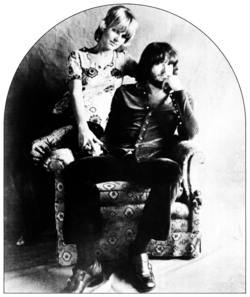
Delaney & Bonnie
The husband-and-wife duo Delaney and Bonnie Bramlett created a powerful blend of Southern gospel, soul, blues, and rock.
Their band Delaney & Bonnie and Friends included musicians who would later join:
Eric Clapton
Derek and the Dominos
the Allman Brothers orbit
Their music helped define the Southern gospel-blues side of the Southern rock sound.
The three cities where Southern rock was actually born — consisted of the triangle of Jacksonville, Macon and Muscle Shoals that bands orbited around, recorded, jammed, visited each other and started their tours from.
Here are some of the most distinctive instruments, not exclusive but their musical elements certainly added to the sound of Southern Rock.
Slide Guitar
Slide guitar is one of the signature sounds of Southern rock. Instead of fretting the strings normally, the player uses a glass or metal slide to glide along the strings, producing that crying, singing tone. The sound became iconic through players like Duane Allman of The Allman Brothers Band. You hear it all over songs like Statesboro Blues and Midnight Rider.
Hammond Organ
While rock bands often use keyboards, Southern rock leans heavily on the Hammond B3 organ, usually paired with a Leslie rotating speaker. The organ adds a church-like gospel depth that fits the Southern roots of the music. A defining example is Gregg Allman’s organ playing in The Allman Brothers Band.
Pedal Steel Guitar
Borrowed from country music, the pedal steel guitar adds a shimmering, emotional sound that instantly evokes the American South. Bands like The Marshall Tucker Band often incorporated it into their sound, especially on songs like Can’t You See.
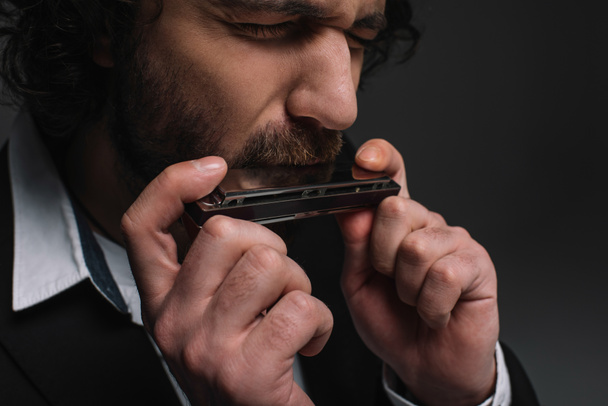
Harmonica
The harmonica connects Southern rock directly to Delta blues traditions. Players like Jimmy Hall of Wet Willie made harmonica a major part of the band’s sound. It adds a raw, rootsy texture you don’t often hear in mainstream rock.
Flute
This one surprises a lot of people. The flute showed up in some Southern rock bands, most notably The Marshall Tucker Band. The instrument added a jazzy, improvisational feel that fit the genre’s jam-band roots.
Fiddle
The fiddle comes from Appalachian and country traditions, giving Southern rock another regional flavor. A famous example is Charlie Daniels, whose band used fiddle to electrify songs like The Devil Went Down to Georgia.
Why Southern Rock Bands Often Have Two or Three Lead Guitarists
One of the most recognizable traits of Southern rock is the multiple lead guitar lineup. While many rock bands rely on one lead guitarist and one rhythm guitarist, Southern rock groups often feature two or even three players trading leads and building harmonized guitar parts.
The blueprint was laid down by The Allman Brothers Band, where Duane Allman and Dickey Betts developed a style of interlocking guitar lines and harmonized melodies. Instead of one guitarist soloing while the other played rhythm, both musicians often played lead parts simultaneously, weaving around each other like a jazz conversation.
That approach influenced bands like Lynyrd Skynyrd, who pushed the idea even further by featuring three guitarists—most famously Gary Rossington, Allen Collins, and Ed King. The result was a massive, layered guitar sound heard in songs like Free Bird and Sweet Home Alabama.
Other bands embraced the concept as well. The Outlaws became famous for their triple-guitar attack, creating sweeping harmonies and extended solos that could stretch into long live jams.
The reason for this setup goes back to Southern musical traditions. Many Southern rock players were influenced by blues jam sessions, country picking, and jazz improvisation, where musicians constantly trade lines and respond to one another. Multiple guitarists allow the band to create harmonies, call-and-response riffs, and long improvisational passages that feel more like a conversation than a standard rock solo.
By the early 1970s, Southern rock had become a movement. Bands like the Allman Brothers and Lynyrd Skynyrd led the charge, but they weren’t alone. Groups like the Outlaws, Wet Willie, and Grinderswitch were also building the sound — blending blues, country, gospel, and boogie into a style that felt distinctly Southern and unmistakably rock and roll.
And now on to the music itself…
Regular rock and roll often comes from cities. Southern rock comes from places where the nearest venue might be a roadhouse and the band learned to play three-hour sets before they ever saw a record deal.
The sound itself gives it away immediately.
First, there are the guitars. Southern rock loves guitars the way a gospel church loves harmony—more is always better. Twin or triple lead guitars aka the “Southern Guitar Army” became this genre’s signature, weaving melodies around each other like vines climbing a porch rail. The guitars don’t just play riffs, they improvise, converse, argue with each other, wail and soar!
Then there’s the rhythm.
Southern rock rhythms tend to swing. Even when the band is playing hard, there’s a looseness in the groove that comes straight from blues and country traditions. It’s less about mechanical precision and more about feel—the kind of feel that comes from musicians who grew up hearing blues on the radio and country at family gatherings.
Another difference is the storytelling.
While mainstream rock often leans toward rebellion or abstract themes, Southern rock tends to paint pictures. Songs about small towns, riverbanks, whiskey-soaked nights, lost friends, redemption, angst about love or unrequited longing, and the complicated pride of Southern identity fill the catalog. The lyrics often feel lived-in rather than imagined.
And then there’s the musicianship.
Southern rock bands are jam bands at heart. Extended solos, improvisation, and musical interplay are part of the DNA. Live shows can stretch songs far beyond their studio versions; the songs, instead of being just 3 to 5 minutes long became 10 minutes or longer and put epic stories to music.
You can hear the difference immediately between a Southern rock band and a straight-ahead rock band.
Regular rock might punch you in the face.
Southern rock might shake your hand, tell you a story, and then take you on a ten-minute guitar journey before the night is over.
But perhaps the most important ingredient is authenticity.
Southern rock doesn’t try to sound Southern—it simply is. The accents, the musical influences, the sense of place all seep naturally into the music. It’s rock and roll that was born and grew up on front porches, in church pews, in juke joints and roadhouses, and on long drives between small towns or on a solitary and simple note–the great yet undiscovered artist busking on a street corner for tips.
And when it works, it carries something powerful with it: the sound of a region telling its story through multiple acoustic or electric guitars.
Because at its best, Southern rock isn’t just music.
It’s a landscape you can hear.
“Southern rock is what happens when blues, country, gospel, and rock & roll all sit down on the same porch.”
Be sure to add a few of these essential Southern Rock tunes to your playlist:
The Allman Brothers Band “Ramblin’ Man” Twin guitars, extended jams, and blues roots helped define the entire genre.
Lynyrd Skynyrd “Free Bird” The ultimate Southern rock anthem — storytelling that explodes into one of the most famous guitar outros ever recorded.
The Marshall Tucker Band “Can’t You See” A perfect mix of country, blues, and flute-driven Southern atmosphere.
The Charlie Daniels Band “The South’s Gonna Do It Again” A rallying cry celebrating the Southern rock movement itself.
The Outlaws “Green Grass and High Tides” A massive twin-guitar epic that stretches into legendary live jams.
The Black Crowes “Hard to Handle” Southern rock reborn in the 1990’s with swagger, soul, and blues grit.
ZZ Top “La Grange” Blues-driven Texas boogie that helped shape the Southern rock sound.
Gov’t Mule “Soulshine” A spiritual descendant of the Allman Brothers tradition.
Anita was born in Detroit grew up in Michigan and later Western Pennsylvania in a rock and roll radio station that her father owned and had a musical family. She spent a few years singing back up. Now she sings in the shower! She is a USAF veteran and was elected to local office and worked as staff on three presidential campaigns as a Social Media and Virtual Outreach expert. She plays a variety of musical instruments including ukulele and she loves drum circles. Her favorite music genres are all of them--Alternative to Zydeco. She promotes bands and independent artists through ANITA STEWART PROMOTIONS. She also brought SOFAR SOUNDS to Tampa. When she is not playing music or writing about it, she is knitting, painting, attending concerts and live music jams and exploring nature with her camera. She has recently retired but not ready for the rocking chair! She has been reporting for Rock at Night since 2014.